We are always engaged in the movement of life. Consciously or unconsciously we respond to what's going on within us, and to what's going on in the outside world. We're influenced by our surroundings, and by our ancestral and cultural roots. Our decisions and actions, our perceptions, thoughts and feelings occur in response to the complex mix of what's going on within and without.
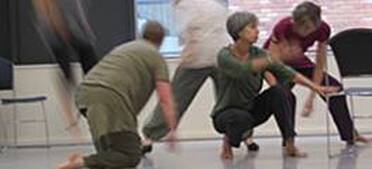
The practice of Depth Movement awakens and tunes the body. The embodiment of one's own sensations and movement creates the potential for transformation and creativity to occur.
Depth Movement Therapy recognizes that the movement of the body, mind and feelings are intertwined; that verbal and nonverbal articulation have equal value. When the sensory-motoric level of experience is sensitively included in the therapeutic dialogue, recognition of patterns underpinning feelings of anxiety, depression, stuckness or confusion may be explored from more than one perspective.
Therapeutic Movement with difficult-to-reach children, including those on the autism spectrum, works on the premise that children's movement communicates meaning. Movement is the foundation for an evolving dialogue. The aim is to facilitate mutual communication, ultimately between the children and their families and peers.
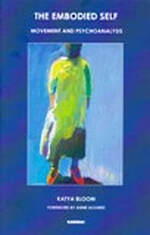
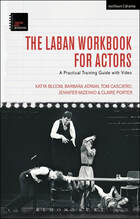
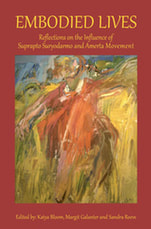
Katya Bloom, PhD, is a Board Certified Dance/Movement Therapist based in Santa Barbara, CA., where she is developing her work in Depth Movement. She is on the faculty of Pacifica Graduate Institute and the Center for Movement Education and Research, and contributes to the Infant Observation training at the THRIVE Infant-Family Program in Los Angeles.